July 23, 2022 AVAS Birdwalk
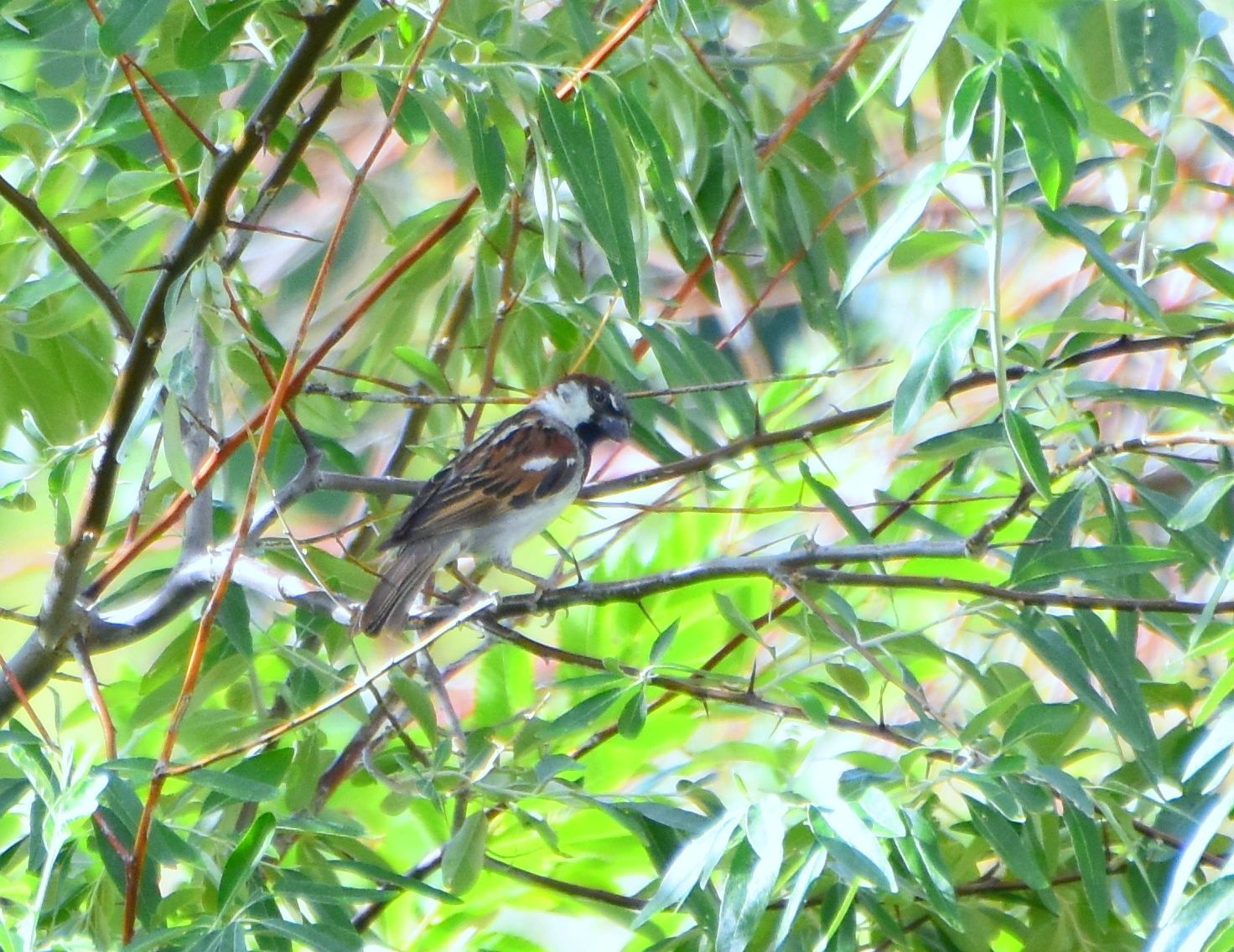
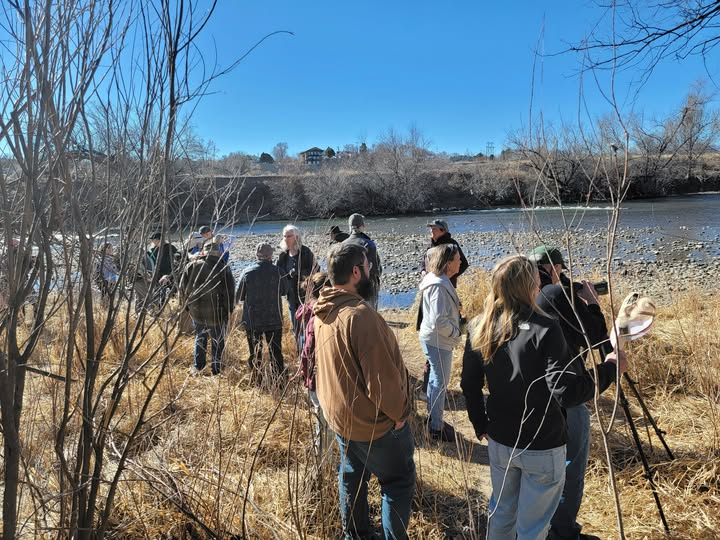
At 9am on the fourth Saturday of every month, the Arkansas Valley Audubon Society leads a Birdwalk at the NWDC River Campus for an enjoyable outing to view and identify a variety of birds.
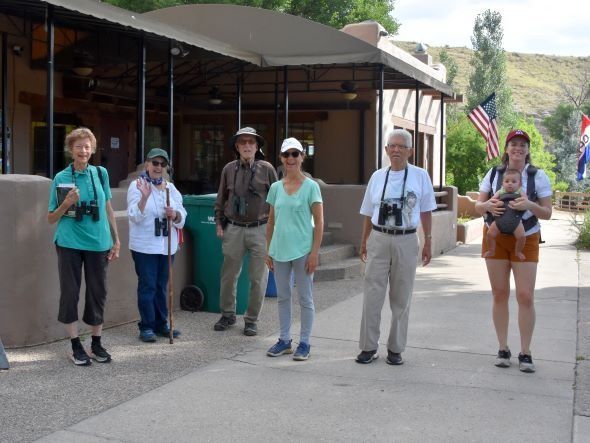
During the July 23, 2022 AVAS Birdwalk, 22 birds were seen and/or heard, as well as a beaver and several insects. Ten participants attended, including one baby. Photos were taken by Pearle Sandstrom-Smith.
Birds:
Canada Goose
Mallard
Eurasian Collared-Dove
Mourning Dove
Common Nighthawk
Broad-tailed Hummingbird
Double-crested Cormorant
Turkey Vulture
Osprey
Mississippi Kite
Red-tailed Hawk
Northern Flicker
Blue Jay
Barn Swallow
House Wren
European Starling
American Robin
House Sparrow (featured in cover photo)
Bullock’s Oriole
Red-winged Blackbird
Common Grackle
Blue Grosbeak
Total Species – 22
Other Wildlife and Insects Seen:
Beaver
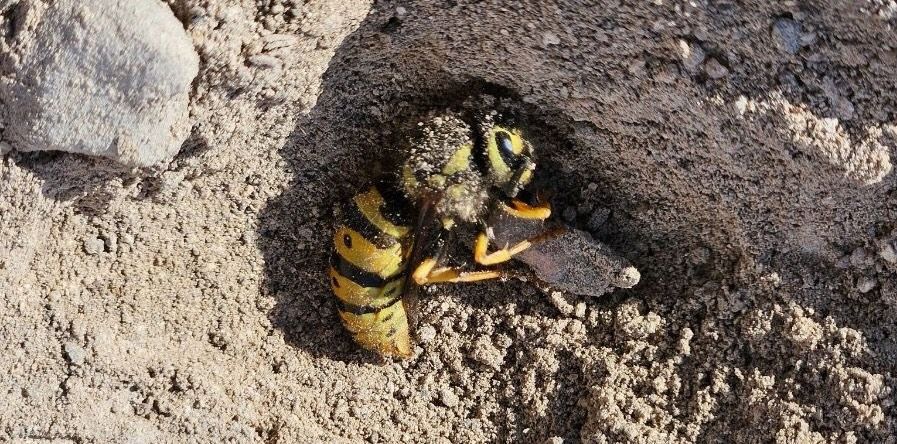
Black Beetle
Black and Gold Dragonfly
Orange Skipper Butterfly
White Cabbage Butterfly
Yellow Sulfur Butterfly
About AVAS
The Arkansas Valley Audubon Society (AVAS) is located in Pueblo, Colorado and is one of 500 Audubon chapters around the country. AVAS conducts birding activities, offers community
programs, contributes to pro-environmental legislative initiatives, and works with agencies that manage public lands and sponsors birding field trips. The mission of AVAS is to promote the conservation of nature through education, political action and field activities with a focus on birds, other wildlife and habitat in Southern Colorado.
RECENT ARTICLES